Thursday, August 05, 2010

Places to visit in Kerala

Ambalamukal: A fast developing area lying about 16 kms. east of Ernakulam. Site of Oil Refineries and FACT Kochi Division.

Bolghatty Island: A beautiful island lying close to Ernakulam and Willingdon Island. The Bolghatty Palace was built by the Dutch in 1744 which later became the seat of British Resident. The palace is now converted into a hotel. There is also a well laid golf link.

Chennamangalam: Chennamangalam was one of the chief centres of the Jews in Kerala. Very old Black Jews Synagogue, remains of Vaipicotta Seminary etc, are still present, It was the seat of Palieth Achan, the Prime Minister of erstwhile State of Cochin.

Chowara: Former summer resort of cochin Royal family . Lies on the northern bank of Aluva river (Periyar), Site of water works supplying drinking water to Ernakulam city.

Cochin Harbour and Willingdon Island: Cochin, one of the finest natural harbours in the world, and the only all weather harbour on the west coast, south of Bombay, affords a safe anchorage to ships,
Willingdon Island is a man made one which was formed with materials dredged while deepening the Cochin Port and channel, It is the seat of the harbour and cochin Port Trust. The Southern Naval Command has its headquarters here. The seaport, naval airport and the railway terminus are all on this island.

Dutch Palace: Situated at Mattancherry, it is 8 kms, away from Ernakulam. Although called Dutch, it was built by the Portuguese and presented to the Maharaja of Cochin in 1555. It acquired the present name after1663 when the Dutch added some extension to the building and carried out some repairs. In the centre of the building is the coronation hall. 17th century murals depicting scenes from the Indian Epic, Ramayana can be seen here.

Ernakulam : situated on the banks of the Vembanad lake, Ernakulam is accessible by all routes-backwater, sea, road, rail and air.

Fort Cochin : Lies 10 kms away ,from Ernakulam . The architectural style of the buildings and lay-out of the town mark out Fort Cochin from other cities and towns of Kerala. The buildings show the influence of European architecture. The Chief attraction of Fort Cochin is the St. Francis Church built by the Portuguese It is believed to be the first church built by Europeans in India. The body of Vasco Da Gama was buried here. Close to St. Francis Church is Santa Cruz Church. some beautiful paintings can be seen in the Roman Catholic Church.

Jewish synagogue: The Jewish Synagogue at Mattanchery was built in 1568. The great Scrolls of the Old Testament, The copper plates containing the privileges granted by the cochin Ruler to the Jewish community and the exquisite Chinese hand-painted tiles at the Synagogue are of great interest.

Cherai Beach
It is located in Vypin Island accessible by ferry or by road from mainland, Kochi. This calm beach is ideal for swimming. It has sea on the western side and backwater on east, which gives this tourist destination, a unique surrounding. Thick coconut grooves and Chinese fishing nets on the waterfront give it an added attraction. Dolphins can also be seen here occasionally.

Thattekkad Bird Sanctuary
This sanctuary is 12 km from Kothamangalam, which is on the Kochi-Munnar route.

Kodanadu
This is a forest elephant care centre. Here you can see baby elephants rescued from the forests being cared for. Elephants are also trained here. Kodanadu is 15 km from Perumbavoor which is on the Kochi-Munnar route (via Aluva).
Art Complex - Madhavan Nair Foundation, Edappally - Located at Edappally, 10 kms north of Ernakulam en route to Alwaye, the complex consists of two units: the Gallery of Paintings and Sculptures, which presents over 200 original paintings by contemporary Indian artists, some of them internationally acclaimed, and works of reputed Indian sculptures. The other unit, the Centre for Visual Arts is reserved for authentic reproductions of selected world masters from Leonardo da Vinci to those of the present century. The centre also exhibits certain larger-than-life mural reproductions of ancient Indian art.

Fort Kochi Beach: The Fort Kochi beach is a place ideal for an evening stroll, Bathing and swimming are not recommended here, The colourful carnival at New Years Eve is a feature of this beach.

Bolgatty Island: This long narrow palm-fringed island,easily accessible from the mainland, is where the Bolgatty Palace is situated amidst15acres of lush green lawns. Built by the Dutch in 1744, and later became the seat of the British Resident. In 1976 the palace was converted into a hotel under the Kerala Tourism development corporation. The palace has a golf course on its grounds.

Hill Palace Museum, Tripunithura- Set on top of a hillock, this prestigious palace-turned-museum displays 13 categories of exhibits, including paintings, carvings and other royal antiquities donated by the Cochin and Travancore royal families and the Paliam Devaswom. The Heritage Museum, located on the rear side of the palace buildings familiarizes you with the traditional lifestyles of ancient Kerala. As part of the establishment of a mini zoo, a deer park with spotted deer, sambar and peacocks is run by the Society for the Preservation of Hill Palace Premises. The museum premises has also been converted into a botanical garden with exotic tropical trees from central America to Australia. Located 11 Kms east of Ernakulam, en route to Chottanikkara.

Kali Kota, Tripunithura - As the name suggests, this beautiful, imposing building a legacy of the Dutch rule served as an entertainment auditorium to the erstwhile royal family featuring dance, drama, and plays. Today it functions largely as a marriage hall, Situated near the Poornathreyesa temple

Kerala Lalitha Kala Akademi Gallery of Contemporary Art, Ernakulam - It is situated at the Durbar Hall ground on D.H. Road. The hall had been the durbar of the raja of Cochin

Mangrove Forest, Ernakulam - This small protected area a haven for birds, is located on Dr. Salim Ali Road, adjacent to the High Court of Kerala, Winter migrants include species coming from Kashmir and even distant siberia. Best time to visit mid-January to early March.

Museum of Kerala History, Edappally - Located along with the Art Complex at Edappally, it is a Sound and light show presenting thirty five scenes from the political, social, and cultural history of Kerala. Commentaries in English and Malayalam.

Pallipuram Fort, Vypeen- It is situated at the far end of Vypin island. SMall and hexagonal, it was built in 1503, claiming to be the oldest European fort in India.

Santa Cruz Basilica, Fort Cochin- There are some beautiful paintings in this Roman Catholic church situated close to the St. francis Church.

Pilgrim centres

Aluva : Situated about 21 kms north of Ernakulam. It is known for the famous Sivarathri festival.

Ankamali: A place of historic importance to Syrian Christians. Lies 40 kms. North of Ernakulam.It is the seat of the first Portuguese Bishop.

Kaladi: Kaladi is the birth place of Sreesankaracharya , the great Indian Philosopher. It is 13 kms. away from Aluva. Kaladi has got Sringeri Madham, Ramakrishna Asramam and the Sreesankara stupa.

Kanjiramattom:- It is 18kms. south east of Ernakulam. The most important and beautiful mosque of the District is situated in this place

Chottanikkara Temple: Famous for the Devi temple, an important pilgrim centre of Hindus. Navarathri is celebrated on a grand scale. The temple is located 15kms from Cochin City. The presiding deity here is Durga Bhagavathy. It is also that this deity was brought from Mookambika Temple in Karnataka and therefore there is a presence of Mookambika Devi till 7 a.m. in the morning at this temple. There is also one more temple as a part of the complex where deity is Bhadra Kali Devi. THe major festival is Makam Thozhal. It falls during February-march every year for a period of 9 days Temple is open from 4 am to 12 Noon and 4 p.m. to 8 p.m.

Ernakulam Siva Temple
The Temple is situated in the heart of Kochi City with Siva as deity also known as Ernakulathappan. It was built during Maharaja rule and is presently under devaswom Board control . This is one of the rarest Siva Temples where deity is facing Sea towards west. The temple has Deity of siva & Parvathy in Kirathamurthy form which is claimed to be self originated (Swayambhoo)

Sree Poornathrayeesa Temple
Located at TrIpunithura, 10 km from Cochin city. The deity here is Maha Vishnu and is one among three Vishnu Temples in Kerala . Arjuna (one of the Pancha Pandavas ) is believed to have established this temple., The Major festival of this temple is held during November-December. The Other cultural festival, Athachamayam during harvest festival of Onam is also celebrated with procession of float, Tableau and dances like Pulikkali, This deity is Kula Daivam of Cochin Royal family.

St. Francis Church
St. Francis Church is the oldest European Church in India Built i in 1503 A.D. by the Portuguese at Fort Cochin. the Dutch later restored the church in 1779. Which was converted into an anglican Church by British in 1795. Vasco-da-gama, who discovered the sea route to India from Europe, was buried here in 1524 A.D. before his mortal remains were removed to Portugal, his tomb stone still remains.

ST.George Forane Church
This is an important pilgrim centre located approximately 6 km from Kochi city. This Roman CAtholic church was built way back in 594 AD in the land donated by Raja of Edapally, This church is considered to be one of the oldest churches in Kerala. A new church building was built in 1080. CHurch is well known for the nine-day feast in the month of May.

Vamanamoorthy Temple, Thrikkakara - Set in a land of great mythological significance, this ancient temple, dedicated to Vamana- the fifth avatara of Lord Vishnu is venerated by the Vaishnavates. The temple holds a large number of lithic records, some of great historical significance. The annual festival is held in the month of chingam (Aug- sept.)

Veega Land Pallikara - Located 12 kms from the city is this unique amusement park offering a world of non-stop fun and adventure. Sprawling over 18.5.acres, the main attractions include caterpillar trains, a 500- seater theatre with a Musical fountain, the exciting family Fun Pool, the Nest housing a variety of exotic birds, and an array of water rides.

Tuesday, August 03, 2010

Attractions in Parramatta

# St John’s Cathedral


# Brislington Nursing Museum

# Dairy Precinct

# Elizabeth Farm

# Experiment Farm

# George Street Gatehouse

# Hambledon Cottage

# Linden House & Lancer Barracks

# Lennox Bridge


# Macquire Street Gatehouse

# Old Government House

# Old School Museum

# Parramatta Heritage Centre

# St Patrick’s Cathedral

# The Female Orphan School

# Parramatta Park

Tuesday, July 27, 2010

Visit The Wonder of the world - Taj Mahal


Come, walk along the pathway beside the reflecting pool with fountains upto the mausoleum crafted in soft & pure marble and jewelled with semi precious stones, where in the serenity of paradise rests the Queen in peace with her King. Come to unfold the pages from the past to churn the charm out of its mystique and enrich your imagination about this marvel of an epic in stone, The Taj!

The grace of perfection of proportions and grandeur of geometrical patterns of well appointed gardens enhancing the poise of the whole complex together add magnificence to the delicacy of this mance of love, dedication and purity, ‘The Taj’!

Come take a dip into the saga of ‘The Taj’, culled out from no fiction but facts and unfurl a saga, which is set out of nothing but pure love!

Beauty lies in the eyes of the beholder! Probably for Taj Mahal, the axiom is just the other way round.The Taj is the beauty personified! The Taj displays its different moods through its varied shades. The Taj has as many shades as any kind of beauty can ever have! The Taj is pinkish in the morning, milky white in the evening, golden when the moon shines and the intermediary variants during different hours of the day and during different seasons in a year.

Picturesque descriptions by the historians contemporary to the period of its making, the facts revealed by the scholars & archaeologists of today and the panoramic montage of the reasons behind its making are sketched with every step you would walk towards the mausoleum the next time you visit The Taj!

A look this time at the Taj will keep you indulged with thoughts superimposing your sight and would make you feel the presence of Shah Jahan, the Maker and Mumtaz Mahal, the Reason, as though walking along with you.

Whence its breathtaking splendour makes you wonder breathlessly and you tend to pause for a while but to continue staring at ‘The Taj’, you would sense them standing beside you!

Monday, July 26, 2010

Tour Attractions in Seattle

BALLARD LOCKS
The Hiram M. Chittenden Locks provide a link for boats between the saltwater of the Puget Sound and the fresh water of the Ship Canal connecting to Lake Union and Lake Washington.


BENAROYA HALL
Benaroya Hall is Seattle's premiere concert hall and the downtown home of the Seattle Symphony.


PIKE PLACE MARKET
A popular attraction located in the heart of downtown Seattle. The oldest continually operating farmers market in the country, it is a place where farmers, craftspeople, and artists display their goods.


PIONEER SQUARE


The cultural heart of Seattle featuring over twenty city blocks of historic buildings, more than thirty galleries, a vibrant retail sector, and Seattle’s most exciting nightlife.


PORT OF SEATTLE
The Port of Seattle manages 1,400 acres of port and airplane facilities, including the Seattle-Tacoma International Airport.


SEATTLE AQUARIUM


The Seattle Aquarium is a nationally recognized aquatic educational center built in 1977 by the City of Seattle on Pier 59, at the edge of Puget Sound's Elliott Bay. The Aquarium is open daily and serves more than half a million visitors annually.


SEATTLE CENTER
Seattle Center reflects the heartbeat of a great city. One of the nation's most extraordinary urban parks and entertainment centers, with over 10 million visitors a year, It is home to Seattle's definitive space needle and the Key Arena.


SEATTLE STREETCAR
The South Lake Union line of the Seattle Streetcar connects the South Lake Union neighborhood to the downtown Seattle core, at eleven stops between the corner of Fairview and Ward and the corner of Westlake and Olive.


SEATTLE UNDERGROUND TOUR
While you roam the subterranean passages that once were the main roadways and first-floor storefronts of old downtown Seattle, an Underground Tour Guide will regale you with humorous stories our pioneers didn’t want you to hear. A not-to-be-missed introduction to Seattle's history, culture and heritage.


WOODLAND PARK ZOO


The 92-acre Woodland Park Zoo is a conservation and education institution demonstrating the value, beauty and interdependence of all living things.

Tuesday, July 20, 2010

Major Events in Macau

Macau International Fireworks Display Contest :


Macau International Fireworks Display Contest


Imagine the night sky of Macau glowing in a myriad of magnificent fireworks and accompanied by the cheers and applauses of spectators enjoying the impact of the light and sound show. What a splendid scene!

The annual "Macau International Fireworks Display Contest" not only lights up the nights of Macau, but also the hearts of spectators. Local residents long for the marvelous fireworks displays that add a joyous atmosphere to holidays and festivals. The Contest has also become an annual characteristic of Macau. Many visitors specially choose this time of the year to come to Macau to enjoy an exotic and romantic holiday.

Macau attaches great importance to cultural heritage. In fact, the firecracker industry used to be one of the three handicrafts in Macau, and fireworks, being a significant element in Macau's cultural heritage, also has a long history in Portugal. To celebrate this 'colorful' history and cultural inheritance, Macau started to stage the annual "Macau International Fireworks Display Contest" from the 1980's to demonstrate the unique vibes of Macau when the magnificent fireworks light up Macau's stunning scenery.

The Macau International Fireworks Display Contest has grown over the years into an internationally acclaimed event, one of the best of its kind.

The Macau International Fireworks Display Contest first started in 1989; with only five participating teams. By 1995, the event has developed from the original five-team contest to a ten-team event, with two different teams showing their expertise each night.

For the past years, over 100 international teams from China, the Philippines, Thailand, Taiwan China, Japan, Korea, Australia, United Kingdom, Switzerland, France, Germany, Portugal and Spain have taken part in the "Macau International Fireworks Display Contest". The Macau Government Tourist Office will continue to work towards advancing the event's international status and reputation, with the vision to bring about the world's most prominent international fireworks display.

Macau International Dragon Boat Festival :


This old Chinese festival is to commemorate the heroic poet Wat Yuen who protested against corruption by drowning himself. Today all celebrations are concentrated on the famous Dragon Boat Races, which in Macau takes place on the Nam Van Lake. Many local teams and foreign teams take part in this colourful event.

Macau Arts Festival :

Featuring over 70 performances by 25 acts from 20 different countries, including Portugal, Brazil, the United Kingdom, Germany, France, Spain, Finland, Peru, Cuba, the USA, Canada and Australia, this Festival season is wonderfully diverse, but would not be complete without the ever-present spirit of performers from Macau on the calendar, as well.

In a clear show of support for local talent, Macau artists are given the opportunity to début works reflecting the region's own performing arts scene, while on the international front, the Festival reaffirms itself as a window to the latest creative trends to emerge on stages the world over. The programme brings together theatre, dance, music, circus, multimedia and visual arts, in a selection extending as well to Cantonese opera, officially inscribed on the UNESCO List of Intangible Cultural Heritage of Humanity in 2009 through the joint efforts of the Guangdong, Hong Kong and Macau Governments .......
Macau International Fireworks Display Contest

Imagine the night sky of Macau glowing in a myriad of magnificent fireworks and accompanied by the cheers and applauses of spectators enjoying the impact of the light and sound show. What a splendid scene!

The annual "Macau International Fireworks Display Contest" not only lights up the nights of Macau, but also the hearts of spectators. Local residents long for the marvelous fireworks displays that add a joyous atmosphere to holidays and festivals. The Contest has also become an annual characteristic of Macau. Many visitors specially choose this time of the year to come to Macau to enjoy an exotic and romantic holiday.

Macau attaches great importance to cultural heritage. In fact, the firecracker industry used to be one of the three handicrafts in Macau, and fireworks, being a significant element in Macau's cultural heritage, also has a long history in Portugal. To celebrate this 'colorful' history and cultural inheritance, Macau started to stage the annual "Macau International Fireworks Display Contest" from the 1980's to demonstrate the unique vibes of Macau when the magnificent fireworks light up Macau's stunning scenery.

The Macau International Fireworks Display Contest has grown over the years into an internationally acclaimed event, one of the best of its kind.

The Macau International Fireworks Display Contest first started in 1989; with only five participating teams. By 1995, the event has developed from the original five-team contest to a ten-team event, with two different teams showing their expertise each night.

For the past years, over 100 international teams from China, the Philippines, Thailand, Taiwan China, Japan, Korea, Australia, United Kingdom, Switzerland, France, Germany, Portugal and Spain have taken part in the "Macau International Fireworks Display Contest". The Macau Government Tourist Office will continue to work towards advancing the event's international status and reputation, with the vision to bring about the world's most prominent international fireworks display.

Macau International Dragon Boat Festival :

This old Chinese festival is to commemorate the heroic poet Wat Yuen who protested against corruption by drowning himself. Today all celebrations are concentrated on the famous Dragon Boat Races, which in Macau takes place on the Nam Van Lake. Many local teams and foreign teams take part in this colourful event.

Macau Arts Festival :

Featuring over 70 performances by 25 acts from 20 different countries, including Portugal, Brazil, the United Kingdom, Germany, France, Spain, Finland, Peru, Cuba, the USA, Canada and Australia, this Festival season is wonderfully diverse, but would not be complete without the ever-present spirit of performers from Macau on the calendar, as well.

In a clear show of support for local talent, Macau artists are given the opportunity to début works reflecting the region's own performing arts scene, while on the international front, the Festival reaffirms itself as a window to the latest creative trends to emerge on stages the world over. The programme brings together theatre, dance, music, circus, multimedia and visual arts, in a selection extending as well to Cantonese opera, officially inscribed on the UNESCO List of Intangible Cultural Heritage of Humanity in 2009 through the joint efforts of the Guangdong, Hong Kong and Macau Governments .......

Saturday, July 17, 2010

Don't Miss Shopping in Singapore

Singaporeans live to shop and you will see the evidence of this at the myriad of malls, department stores, and shops in practically every pocket of community. Most shops are open till 9pm or 10pm at night, seven days a week, allowing you convenient and hassle-free shopping.

Central Shopping Belt
For designer shopping and specialty stores, Singapore's Central Shopping Belt at Orchard Road is a haven for shopaholics! A fashionable hangout for the in-crowd, department stores and boutiques, outdoor cafes and gourmet restaurants line the street enticing you to drop by.


Suburban Shopping Belt
Besides the well-known shopping district of Orchard Road, you will be surprised at the variety of goods and bargains you can find at suburban shopping centres and local shops located at housing estates across the island. Singaporeans live, eat, and shop in the heartlands - here is where you will discover some of the best bargains. Competitive prices and promotions reign all year-round at some of these shops, a bonus for those with modest budgets.


Niche Enclaves
If you're looking for something less run-of-the-mill, you might just find it in one of the many niche enclaves offering a shopping experience of a different kind. Check out Funan centre for all your photographic and IT needs. Head for the Heeren and Far East Square for an electric range of clothes, CDs and gear tailored for the young and hip generation. Ethnic quarters like Chinatown, Little India, and Malay Village are where you will discover knick-knacks and items reflecting Singapore's roots and rich cultural heritage.

Tuesday, July 13, 2010

Warwickshire - one of the Beautiful place to visit


Warwickshire truly is at heart of the country, with some of the most attractive towns and villages in England set amongst beautiful countryside. The county is split into five districts each with their own distinctive feel, but wherever you are in the county there is always a sense that you can access everything you need without the hassles that go with life in the large cities.


Warwickshire and Coventry are full of interesting places to visit and offer many things to do whatever the time of year. Whether it's tracing the footsteps of William Shakespeare through Stratford, or being part of the crowds during the Godiva or Winter festivals.

Wednesday, July 07, 2010

Why should I visit Mongolia?

Mongolia lies at the heart of Asia, on the balance between the ‘East’ of China, and the vast wilderness of Siberia in Russia. This huge, sparsely populated land encompasses a fabulous array of pristine landscapes and a nomadic people whose lives are in many ways unchanged from the days of Genghis Khan and the mighty Mongol Empire.

Here, where nomadic herders still depend on nature for survival, you’ll find priceless luxuries like open space, untouched wilderness, and pristine air and water in abundance, each cherished by the Mongolian people. And as the 19th largest country in the world, Mongolia’s considerable size means an enormous variety of landscapes, and plenty of room for guests. Awesome expanses of rolling steppe, home to Mongolia's famous horses and herdsmen, meet high glacial mountains, impenetrable forests and deep, crystal lakes.

Like the Mongol Empire of Genghis Khaan’s time that stretched from Japan to Hungary, Mongolia today remains a place of natural and cultural diversity and nearly endless possibilities for discovery and adventure. Cherished by her people, and unspoiled in her beauty, Mongolia waits to be discovered by you.

Authentic Nomadic Culture
One of the last remaining pastoral people in the world, a third of Mongolia’s population is engaged in nomadic or semi-nomadic livestock herding.

Unrivaled Hospitality
For millennia, Mongolian nomads have known that survival in one of the globe’s most remote and sparsely populated environments with its extreme climatic conditions (short, warm summers and long, severely cold winters) depends upon their ability to collaborate.
Read more...

Unspoiled Nature and Abundant Wildlife
Landlocked between China in the south and the vast Siberian wilderness in the north, Mongolia is the geographic heart of Asia.

Genghis Khan and the Largest Empire in World History
Founder and ruler of the Mongol Empire in the 13th century, Mongolians consider Genghis Khan the father of modern Mongolia.

Naadam - The Greatest Annual Sporting Event in the World
Sometimes also called the “2nd Olympic Games”, the Great Naadam Festival is the age-old celebration of the test of courage, strength, dexterity, and marksmanship of the Mongolian Nomads.

Traditional and Modern Mongolian Music
Music is an integral part of Mongolian culture and the Mongolians are renowned for their love for music and singing. Any Mongolian celebration always turns into a celebration of singing.

A Vibrant and Stable Democracy in Central Asia
After Russia, Mongolia was the second country in the world that turned to communism in the early 20th century, and it was the second country that, through peaceful means, brought an end to communism in 1991.

A Peaceful Multi-Religious Tradition
Centuries ago, Genghis Khan supported freedom of religion amongst his people. Today’s main spiritual practices in Mongolia are Buddhism and Shamanism.

Adventure Travel at its Best
Mongolia’s unparalleled scenery and large variety of pristine landscapes makes it the premier destination for the adventurous explorer.
Horseback trekking, climbing expeditions, hiking tours, kayaking, riding reindeer, hunting with eagles, and fishing are amongst the many activities for those who want healthy dose of physical exercise in one

Monday, July 05, 2010

Places you should not miss in Malaysia

Wind surfing - Burau Bay - Langkawi - Kedah


Sultan Ismail Petra Arch - Kelantan


Paka - Terengganu

Masjid Jamek


KWAN YIN TEMPLE


Astana - Kuching - Sarawak


ALAM SHAH MOSQUE ALAM SHAH MOSQUE


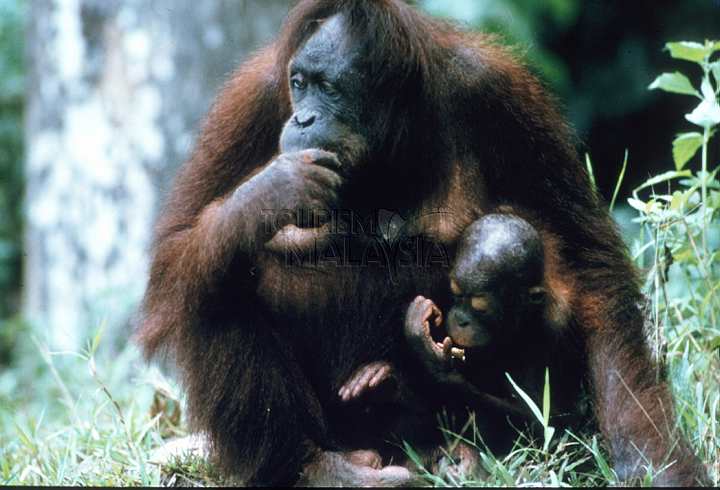
Sepilok Orang Utan Rehabilitation Centre

Friday, July 02, 2010

Places you must vist in Singapore

Butterfly Park & Insect Kingdom :


Animal & Bird Encounters


AZZURA Beach Club

Gogreen Segway Eco Adventure

MegaZip Adventure Park :


Sentosa 4D Magix

Sentosa CineBlast

Sentosa Luge & Skyride

Sentosa Nature Discovery

Siloso Beach

Songs of the Sea :


Southernmost Point of Continental Asia

Tanjong Beach

The Flying Trapeze

The Merlion

Palawan Beach :


Tiger Sky Tower

WaveHouse Sentosa

Underwater World Singapore and Dolphin Lagoon :

Wednesday, June 30, 2010

Attractions in Alberta

Here are the Attractions in Alberta...

Edmonton city skyline and North Saskatchewan River

Athabasca Falls, Jasper National Park


Moraine Lake, Banff National Park

Buffalo, Elk Island National Park

Carson Pegasus Provincial Park, near Whitecourt


Alberta Legislature building and grounds, Edmonton

Banff Avenue from Cascade Gardens, Banff National Park


Royal Tyrrell Museum, Drumheller

Orangutans, Calgary Zoo

Downtown Lloydminster, which straddles the Alberta-Saskatchewan border

Canola field, near Red Deer


Boat tour on Maligne Lake, Jasper National Park


Columbia Icefields Snocoach Tours, Jasper National Park

Calgary city skyline and Saddledome

Dinosaur dig, Royal Tyrrell Museum of Palaentology, Drumheller


Dinosaur Provincial Park, Badlands

Fairmont Banff Springs Hotel, Banff National Park

Tuesday, June 29, 2010

Britain's Savill Garden


The Savill Garden is one of Britain’s greatest ornamental gardens. Neither a botanical garden, nor a kitchen garden attached to a great house, it is a garden for the garden’s sake, enjoyed by horticulturalists and enthusiasts alike. It never fails to charm visitors who come to explore its 35 acres of contemporary and classically designed gardens and exotic woodland.

Developed under the patronage of Kings and Queens, The Savill Garden was created in the 1930s by Sir Eric Savill. It began as a woodland garden, with native oak, beech and sweet chestnut trees, but has since evolved by incorporating many new plants over the years.

The Savill Garden is a place of constant discovery, and of hidden, interlocking gardens, containing distinctive planting groups including areas such as Spring Wood, The Summer Wood, The Hidden Gardens, The Summer Gardens, The Glades, Autumn Wood, The Azalea Walks and The New Zealand Garden. The Savill Garden mixes native and exotic species and has bred many important garden hybrids. Each ‘garden within a garden’ has its own attractions, and the gardens are ever-changing with every season bringing new colour and interest to delight the visitor.

The new Rose Garden is now open. The Rose Garden takes a fresh and contemporary approach to displaying roses and has been designed by Andrew Wilson of Wilson McWilliam Associates.
The design creates an intense sensory experience with roses especially chosen for their scent, strong colours and repeat flowering. As the deep aroma of the roses naturally rises, visitors will be able to enjoy the perfume at its best, together with stunning views, from a walk way which will, from a distance, appear to ‘float’ above the Rose Garden.

Thursday, June 24, 2010

Attractions in Northern Mongolia


Lake Huvsgul. This majestic clear-watered lake contains 65% of all the fresh water of Mongolia and furthermore, 1% of the world’s fresh water supply. Nine species of fish inhabit the lake, including Siberian grayling and lenok. Nearby taiga forest, forest steppe, moun tains, and the lake itself provide habitat for 68 species of mammals, including argali, ibex, elk, reindeer, musk deer, brown bear, lynx, marten, beaver, wolf, and moose, 244 species of birds, and 750 species of plants, including 60 with medicinal importance.


Khuvsgul is the land of the TSAATAN REINDEER HERDSMEN, a branch of the Turkic-speaking Tuvinian or Dukha ethnic group. This small group of 42 families possesses a social and material culture which has remained unchanged since the Ice Age. Shamanistic or totemic rituals and symbolism are central to the social organization of the Tsaatan. Shamanistic rituals of healing rely on rare medicinal plants and animals unique to this landscape. The Tsaatan are an archaic and ethnographically interesting nomadic groups to be found on the Eurasian continent their lifestyles are both ancestral to all the nomadic herding cultures of Central Asia and are reminiscent of a way of life which was widespread across Europe, Asia and North America 10,000 years ago. Darkhad and Tuva people have coexisted peacefully with the Tsaatan reindeer herders sharing respect for KHUVSGUL LAKE, The Dalai Eej or Mother Sea for sustaining their livelihoods for centuries. The area is a perfect destination for vacationing, kayaking, canoeing, hiking, trekking, sport fishing, and bird watching.

URAN-TOGOO TULGA NATURAL RESERVE
Uran uul volcano lies west of Bulgan city en route to Khuvsgul area.
Selenge Province. The rich vegetation and fertile soil of Selenge aimag position the aimag as the breadbasket of Mongolia. Selenge aimag produces 40-56 percent of the grain of the country. In the aimag, there are timber, match, cement, chalk, spirit, wood plants, gold and coal mines and power stations. In the south-east, the open-pit coal mine at Sharyn Gol produces about two million tons of coal each year to provide electricity for the Erdenet mine in Bulgan aimag.

The Amarbayasgalant Monastery is considered the second most important in Mongolia after Erdene Zuu Khiid in Kharkhorin and the most intact architectural complex in Mongolia located in a valley 360 km from Ulaanbaatar. The monastery was built between 1727 and 1737 by the Manchu emperor Yongzheng and dedicated to the great Mongolian Buddhist and sculptor, Zanabazar, whose mummified body was moved here in 1779. The valley is covered throughout its extent with Turkic-era graves of various geometric shapes dating to 3rd century. The area holds sacred associations for the people. In 1996 it was nominated by UNESCO as a Heritage Site. After 65 years the lamas organized “Tsam” religious dance for the first time in Amarbayasgalant monastery in 2002.

Spiritual Mongolia
Mongolians are very spiritual people. Shamanism in Mongolia originated some 5000- 6000 years ago reaching its peak during the 3rd century BC. Shamanism derives from respect and worship of the nature. For centuries shamanism determined the nomads’ attitude and behavior towards nature. The respect for nature still lives in the custom of worshipping and erecting ovoo (stone piles with offerings on top of mountains). The Mongolian shamanism reveres the three totems: father of heavens, mother of the earth, and spirits of the ancestors. Shamans perform divinations wearing special costumes and use special ritualistic instruments. Nowadays, shamanism is still practiced among the Tsaatan, Tuva, and Buriad ethnic groups who live in Khuvsgul area and eastern part of Mongolia.

Buddhism spread in Mongolia in three great waves. The first wave was brought by the Silk Road trade, a section of which ran through the southern part of Mongolia. The second wave came during the ruling of Khubilai Khan. The last one started in 16th century by Under Gegeen Zanabazar, the first Bogdo or theocratic leader of Mongolia, a direct descendant of Chinggis Khan. He designed Lamaist rituals, etiquette for lamas to creating attributes and musical instruments for religious rituals and public worship services. Buddhism in Mongolia belongs to Mahayana, the Great wheel teachings. Between 16th-i 8th centuries some 800 monasteries and temple complexes were built on the territory of Mongolia the majority of which got destroyed during the 1930s religious persecution by Communists. Nowadays, Buddhism is experiencing a revival with more than 100 monasteries and temples being restored and a return of freedom to believe and worship to Mongolians.

Wednesday, June 23, 2010

Places to Visit in Cadiz City

Lakawon Island Resort.

The premier tourist destination in Cadiz, is a white sand island resort which is located 20 minutes off the coast of Barangay Cadiz Viejo.

It is accessible by motor vehicle and then by pump boat. The resort offers amenities such as fully equipped cottages that can accommodate couples, families and different-sized groups. It has a restaurant, where you can order all kinds of fresh seafood, often the catch of the day by the island's fishermen, as well as native Ilonggo, Filipino and International cuisine.


Its bar offers ice-cold drinks, souvenir items and swimming gears. A variety of water sports and sea crafts are also available.

Gil Lopez Ancestral Home and Nature Park.

Located at Hda. Fara-on, at Barangay Cabahug, is 14 kilometers from the city proper. This point of interest is just along the highway with a travel time of 15-20 minutes. This area is private, and prior permission is necessary.


Cornel Swimming Pool

The water comes from the spring. The place is also located at Barangay Cabahug. It is open from Wednesday to Sunday. Entrance fee is P50.00 per person. The place offers lesson on horseback riding.

Busac-Busac Spring

This is located at Hda. Reboton, Barangay Tinampa-an which is about 9.5 kms. from the city. Travel time is 30 minutes. Transportation: Jeepneys, tricycle, then hiking on foot.


Hiyang-hiyang Falls
This waterfall is located at Barangay Celestino S. Villacin, which is 60 kilometers away from the city proper

Paco Falls
This is located at Sitio Alimatoc, also of Barangay C.S. Villacin, and is only 35 kms. from the city proper.

Cabagacayan Falls
This waterfall is located at Barangay Andres Bonifacio, and is 18 kilometers away from the city proper. The place is good for mountain trekking with approximately 4 kilometers distance from barangay road.


Balay Alibangbang

This is located at Hda. Tagud, Barangay Luna which is about 8 kms. from the city.

Laura Seafront Resort

It is located at Barangay Daga and is 4 kilometers away from the city proper. It is one of the city's popular places where visitors can unwind. Its amenities include function halls (which can serve as venue for seminars and conferences), air-conditioned duplex cottages, junior Olympic size swimming pool, children's swimming pool and tennis court.

RC Beach Resort

Also located at Barangay Daga, and is 2.5 kilometers away from the city proper. it has cottages, 1 big pavillion (function room), 4 units air-conditioned rooms (duplex type), 2 swimming pools: for adult and kids.

Other Beach Resorts

The Santa Cruz Beach Resort and Tingson Beach Resort, both located at Barangay Banquerohan; the Green Lagoon and Rosita Beach Resorts, located at Barangay Sicaba.

Monday, June 21, 2010

Places that you should visit in your Lifetime

8. Angkor Wat, Cambodia


The first half of 12thcentury : King Suryavarman II. The largest of the Angkor group and one of the most intact, is an architectural masterpiece. Its perfection in composition, balance, proportions, relief¡¯s and sculpture make it one of the finest monuments in the world. This temple is and expression of Khmer art at its highest point of development. Some believe Angkor Wat was designed by Divakarapandita, the chief adviser and minister of the king, who was a Brahmin with divine honours.

The Khmers attribute the building of Angkor Wat to the divine architect Visvakar man. Construction probably began early in the reign of Suryavarman II and because his name appears posthumously in the bas relief¡¯s and inscriptions it is believed that Angkor Wat was completed after his death. The estimated time for construction of the temple is about 30 year.

Friday, June 18, 2010

Places that you should visit in your Lifetime

7. Alaska


Places to visit in Alaska:

Alagnak Wild River - King Salmon, AK
The headwaters of the Alagnak Wild River lie within the rugged Aleutian Range of neighboring Katmai National Park & Preserve. Meandering west towards Bristol Bay and the Bering Sea, the Alagnak traverses the beautiful Alaska Peninsula, providing an unparalleled opportunity to experience the unique wilderness, wildlife, and cultural heritage of southwest Alaska.

Alaska Public Lands - Anchorage, AK
Alaska's parks, forest and refuges are rich and varied. The Alaska Centers, interagency visitor centers located in Tok, Fairbanks, Anchorage, and Ketchikan, allow visitors to stop by or write to just one spot for all the information needed to plan an Alaskan adventure. The centers also educate adults and children about the cultural and

Aleutian World War II National Historic Area - Unalaska/Dutch Harbor, AK
Perched on Mount Ballyhoo in Dutch Harbor, Alaska, the concrete remains of the Aleutian World War II National Historic Area speak silently of a time of war. This magical place was the stage for two American tragedies: here, servicemen fought both the Japanese and the extreme weather, as hundreds of native Unangan people were interned a thousand miles away, longing to return to their island homes.


Bering Land Bridge National Preserve - Nome, AK
Where today there is sea there was once a vast treeless steppe. The Bering Land Bridge allowed the migration of plants and animals, including humans, to spread beyond their home continent. Today Bering Land Bridge National Preserve provides archeologists and paleontologists a chance to explore the past, while the native Inupiat still utilize the land as their ancestors did long ago.

Cape Krusenstern National Monument - Kotzebue, AK
North of the Arctic Circle, Cape Krusenstern National Monument stretches 70 miles along the Chukchi Sea shoreline. Beach ridges provide evidence of 5000 years of human activity. Inupiat people continue to use the resources today. Vast wetlands provide food, water, and shelter for migratory birds. Hikers and boaters can see carpets of tundra wildflowers and sometimes musk oxen, moose, or caribou.

Denali National Park & Preserve - Denali Park, AK
The second weekend after Labor Day each year, Denali hosts an annual "Road Lottery." Four hundred names are drawn for each of the four days of the lottery, and winners may purchase a day-pass to drive as much of the Park Road as weather allows. Folks may apply to the lottery between June 1 - June 30, online or via regular mail.

Gates Of The Arctic National Park & Preserve - Bettles, AK
The floatplane disappears, leaving you on the lakeshore. For the next two weeks you must survive using the knowledge, skills and gear you bring with you. Traveling through this vast wilderness you will discover craggy ridges, glacier carved valleys and fragile flowers. You will walk or float through intact ecosystems where people have lived with the land for thousands of years. You will experience ...


Glacier Bay National Park & Preserve - Gustavus, AK
The marine wilderness of Glacier Bay National Park and Preserve includes tidewater glaciers, snow-capped mountain ranges, ocean coastlines, deep fjords, and freshwater rivers and lakes. This diverse land and seascape hosts a mosaic of plant communities and a variety of marine and terrestrial wildlife and presents many opportunities for adventuring and learning about this unique and powerful place.

Inupiat Heritage Center - Barrow , AK
On the rooftop of the world, the Iñupiat Heritage Center in Barrow, Alaska tells the story of the Iñupiat people. They thrived for thousands of years in one of the harshest climates on Earth, hunting the bowhead whale whom they call "Agviq." In the 19th century, these lonely seas swarmed with commercial whalemen from New England, who also sought the bowhead for its valuable baleen and blubber.

Katmai National Park & Preserve - King Salmon, AK
Katmai National Monument was created in 1918 to preserve the famed Valley of Ten Thousand Smokes, a spectacular forty square mile, 100 to 700 foot deep ash flow deposited by Novarupta Volcano. A National Park & Preserve since 1980, today Katmai is still famous for volcanoes, but also for brown bears, pristine waterways with abundant fish, remote wilderness, and a rugged coastline.

Kenai Fjords National Park - Seward, AK
At the tip of the Kenai Peninsula lies a land where the ice age still lingers. In Kenai Fjords, glaciers, earthquakes, and ocean storms are the architects. Ice worms, bears and whales make their home in this land of constant change. Native Alutiiq used these resources to nurture a life entwined with the sea. Explore this site to discover Kenai Fjords, its history, science and remote splendor.

Klondike Gold Rush National Historical Park - Skagway, AK
Gold! Headlines read in 1897, starting the rush. Thousands, hoping to ease the woes of economic depression, sold farms, dropped businesses and boarded ships to follow their dreams north. They braved icy passes to reach the interior of Canada, only to find the gold claims staked by prospectors who preceded them. A few struck gold; many more returned home penniless, yet richer for the adventure.

Kobuk Valley National Park - Kotzebue, AK
Caribou, sand dunes, the Kobuk River, Onion Portage - just some of the facets of Kobuk Valley National Park. Half a million caribou migrate through, their tracks crisscrossing sculpted dunes. The Kobuk River is an ancient and current path for people and wildlife. For 9000 years, people came to Onion Portage to harvest caribou as they swam the river. Even today, that rich tradition continues.

Lake Clark National Park & Preserve - Port Alsworth, AK
Lake Clark National Park and Preserve was created to protect scenic beauty (volcanoes, glaciers, wild rivers and waterfalls), populations of fish and wildlife, watersheds essential for red salmon, and the traditional lifestyle of local residents. Lake Clark's spectacular scenery provides a true wilderness experience for those who visit.

Noatak National Preserve - Kotzebue, AK
As one of North America's largest mountain-ringed river basins with an intact ecosystem, the Noatak River environs features some of the Arctic's finest arrays of plants and animals. The river is classified as a national wild and scenic river, and offers stunning wilderness float-trip opportunities - from deep in the Brooks Range to the tidewater of the Chukchi Sea.

Sitka National Historical Park - Sitka, AK
Alaska's oldest federally designated park was established in 1910 to commemorate the 1804 Battle of Sitka. All that remains of this last major conflict between Europeans and Alaska Natives is the site of the Tlingit Fort and battlefield, located within this scenic 113 acre park in a temperate rain forest.


World War II Valor in the Pacific National Monument - Honolulu, HI,AK,CA
Spanning nearly all of the Pacific Ocean, World War II Valor in the Pacific National Monument preserves and interprets the stories and key events in the Pacific Theater leading up to the U.S. entering World War II, its impacts on the mainland, through to the Peace Treaty in Tokyo Bay, Japan ending the war.


Wrangell - St Elias National Park & Preserve - Copper Center, AK
The Alaska, Chugach and Wrangell-Saint Elias ranges converge in what is referred to as the "mountain kingdom of North America." This spectacular wilderness includes the continent's largest assemblage of glaciers, and the greatest collection of peaks above 16,000 feet, including Mount St. Elias (18,008'), the second highest peak in the United States.


Yukon - Charley Rivers National Preserve - Eagle, AK
Located along the Canadian border in central Alaska, adventure begins in Yukon-Charley Rivers. Whether you choose to leisurely float the water of the mighty Yukon River in a state of the art vessel or homemade raft, or experience the premier whitewater of the Charley River in a sturdy and suitable inflatable, you will make memories to last a lifetime. Geology, cultural history, remnants of the ...

Wednesday, June 16, 2010

Places that you should visit in your Lifetime

6. Maldives


Maldivians are generally not race conscious, perhaps because the country has been inhabited for centuries during which visitors from as far apart as China, Africa, Arabia and Persia have been assimilated into the society. This tradition of welcoming visitors continues?..

We dare you to come here and count exactly how many islands there are in the country. They say that counting the islands including the sand spits is like trying to count how many stars there are in the sky! So, the commonly agreed upon figure of 1190 is but an approximation. These islands are grouped into natural atolls that are protected by surrounding reefs. The islands are of pure white coral sand are low lying, the highest point on any give island being no more than a meter and a half above sea level. Coconut palms and an abundance of tropical plants make these islands an idyllic place for your holiday if you want to see nature at its best.

The Maldives actually straddles the equator. The climate is tropical with no major seasonal differences. Though the southwest monsoon does bring most of the rain, mostly around June and July, tropical rain showers can occur any time! The skies are usually clear and the sun shines brightly. That is when the cooling sea breezes, about which poems have been written, bring about the romantic in you.

If you are a surfer you will find just the right waves in some places. If you are a divining enthusiast, be prepared for a binge! The white coral beaches are simply unbelievable. The fishing is out of this world. Perhaps because of this, the Maldives is increasingly becoming one of the most sought after holiday destinations in the world. We chip in by making our tourist resorts provide all the mod cons to make you all the more comfortable.

Tuesday, June 15, 2010

Places that you should visit in your Lifetime

5.Falling Water


Falling Water Falls is a 136-acre natural area in Hamilton County. It is named for the 110’ high waterfall on Little Falling Water Creek that drops over the resistant sandstone cap of the Cumberland Plateau. It plunges into the Falling Water Gorge, tumbling over cascades and passing large moss covered boulders, before joining the Big Falling Water Creek in Pickett Gulf. The small cliff top section of the natural area is in the town of Walden while most of the natural area is located below the falls in Soddy Daisy.

The vertical cliffs of the escarpment with its rugged, steep, rocky slopes appear in stark contrast to Falling Water Falls Gorge. The gorge is sheltered and stays moist with mist coming from the falls and cascades during most of the year. The sound of the big falls and the cascading whitewater below drowns out adjacent urban noise that might spoil the mood of this primitive and uniquely beautiful area. The area is home to a second growth hardwood forest comprised of oak-hickory and mixed mesophytic forest communities. There is an oak-pine forest on the drier parts of the natural area, particularly above the falls. Mountain laurel and rosebay rhododendron are common. Falling Water Falls supports a great diversity of plant and animal life including a small population of the federally endangered large-flowered skullcap (Scutellaria montana).

This diversity of forestland near a large urban area gives the area even greater significance. A scenic vista of the Tennessee River Valley, Pickett Gulf and Buzzard Point exists at the top of the falls above the 840-feet-high escarpment. Far below, Levi Cave is located at the base of the escarpment slope. A small two-feet wide hole leads down into a 750-feet-long cave consisting of several large rooms and dripstone formations.

Monday, June 14, 2010

Places that you should visit in your Lifetime

4.Golden Temple


Sri Harmandir Sahib, also known as Sri Darbar Sahib or Golden Temple, (on account of its scenic beauty and golden coating), situated in Amritsar (Punjab), is the most sacred temple for Sikhs. This temple propagates Sikhism's message of tolerance and acceptance through its architecture that has incorporated symbols from other religions. The Sikhs all over the world, wish to visit Sri Amritsar and to pay obeisance at Sri Harmandir Sahib in their Ardas.

Guru Arjan Sahib, the Fifth Nanak, conceived the idea of creating a central place of worship for the Sikhs and he himself designed the architecture of Sri Harmandir Sahib. Earlier, the plan to excavate the holy tank (Amritsar or Amrit Sarovar) was chalked out by Guru Amardas Sahib, the Third Nanak, but Guru Ramdas Sahib executed it under the supervision of Baba Budha ji. The land for the site was acquired by the earlier Guru Sahibs on payment or free of cost from the Zamindars (landlords) of native villages. The plan to establish a town settlement was also made. Therefore, the construction work on the Sarovar (the tank) and the town started simultaneously in 1570. The work on both the projects was completed in 1577 A.D.

Guru Arjan Sahib got its foundation laid by a Muslim saint Hazrat Mian Mir ji of Lahore in December 1588. The construction work was supervised by Guru Arjan Sahib himself and he was assisted by the prominent Sikh personalities like Baba Budha ji, Bhai Gurdas ji, Bhai Sahlo ji and many other devoted Sikhs.

Unlike erecting the structure on the higher level, Guru Arjan Sahib got it built on the lower level and got it open from all four sides. Thus, he created a symbol of new faith, Sikhism. Guru Sahib made it accessible to every person without any distinction based on caste, creed, sex and religion.

The building work was completed by September 1604. Guru Arjan Sahib installed newly created Guru Granth Sahib (the holy book of the Sikhs), in Sri Harmandir Sahib and appointed Baba Budha ji as its first Granthi i.e. the reader of Guru Granth Sahib. After this event it attained the status of 'Ath Sath Tirath', Sikh nation's own Tirath.

Sri Harmandir Sahib, is built on a 67ft. square platform in the centre of the Sarovar (tank). The temple itself is 40.5ft. square. It has a door each on the East, West, North and South. The Darshani Deori (an arch) stands at the shore end of the causeway. The doorframe of the arch is about 10ft in height and 8ft 6inches in breadth. The door panes are decorated in artistic style. It opens on to the causeway or bridge that leads to the main building of Sri Harmandir Sahib. It is 202 feet in length and 21 feet in width.

The bridge is connected with the 13 feet wide 'Pardakshna' (circumambulatory path). It runs around the main shrine and it leads to the 'Har ki Paure' (steps of God). On the first floor of 'Har ki Paure', there is continuous reading of Guru Granth Sahib.

On the top stands the low fluted 'Gumbaz' (dome) having lotus petal motif in relief at the base and an inverted lotus at the top, which supports the 'Kalash' having a beautiful 'Chhatri' at the end.

Its architecture represents a unique harmony between the Muslim and the Hindu way of construction work and this is considered as one of the best architectural specimens of the world. It is often quoted that this architecture has created an independent Sikh school of architecture in the history of art in India. The temple is a noted combination of stupendous beauty and sublime peacefulness. It can be said that the heart of Sikhism lies here.

Friday, June 11, 2010

Places that you should visit in your Lifetime

3. New York


Places to visit in New York

Astroland
Astroland, NYC's largest amusement park, is located at Coney Island in Brooklyn.

Broadway Shows
An up-to-the-minute guide to all Broadway shows-musicals, dramas, comedies, and those that are great for kids.

The Bronx Zoo
Learn about the animals, plan your visit, and find out about educational programs at the Bronx Zoo.

Carnegie Hall
One of the most famous music halls in the world, Carnegie Hall hosts scores of concerts and special events.

Circle Line Statue of Liberty and Downtown Cruises
Learn about the ZEPHYR Seaport Liberty Cruise that will cruise past the Statue of Liberty and Ellis Island, the Shark Speedboat Thrill Ride, Circle Line Charters, and special events cruises.

Ellis Island
Between 1892 and 1954, approximately 12 million people entering the United States through the port of New York were legally and medically inspected at Ellis Island.

Ellis Island and Immigration
Browse photos documenting the history of Ellis Island and its role in early 20th century immigration or search immigration records.

Empire State Building
Visit the Web site of the Empire State Building to learn about visiting hours and fees, see the lighting schedule, and take a virtual tour.

Federal Reserve Bank of New York
Visitors to the Federal Reserve Bank in Lower Manhattan learn about the central banking functions that the Federal Reserve System performs and see the Bank's vault of international monetary gold on the bedrock of Manhattan Island, five stories below street level.

Grand Central Terminal
Get information on upcoming events, tours and history, and see a directory of dining and shopping opportunities at Grand Central Terminal.

Lincoln Center
The world's largest cultural complex hosts classical ballet, opera, modern dance, film, and jazz.

Madison Square Garden
See the schedule of events, purchase tickets, and find out what's in and around the Garden before you visit.

Metropolitan Opera
Since its opening in 1883, the Metropolitan Opera has been one of the world's leading opera companies.

National Tennis Center
Home to the US Open, the National Tennis Center is open to the public for most of the year.

New York Aquarium
Get tips for your visit, learn about the animals, and an map of the site at the New York Aquarium's Web site.

New York Stock Exchange
Get historical information, member listings, trading floor details, and find out when to visit at the NYSE Web site.

Radio City Music Hall
Radio City presents and promotes the best in live entertainment, including the famous Radio City Rockettes.

Ripley's Believe It or Not! Times Square
Ripley's Believe It or Not! Times Square offers visitors a journey into the bizarre and the outrageous, demonstrating that fact is indeed stranger than fiction!

Shopping and Dining at South Street Seaport
Get a directory and maps of shops, restaurants, and events at South Street Seaport in Manhattan.

Show Tapings
Attend a free taping of your favorite show while you visit New York. NYC & Company provides a list of popular options.


Staten Island Ferry
The Staten Island Ferry, which is free, travels close to the Statue of Liberty on its route. It doesn't stop at the island, but offers a great (free) view of the national landmark.

Statue of Liberty
Dedicated in 1886, the Statue of Liberty has long been an international symbol of political freedom and democracy.

Times Square
Get maps, special event and entertainment resources, and more from the Times Square Business Improvement District.

Trinity Church
See the photo gallery, find out about music events at Trinity, and learn about the history of the church on its Web site.

United Nations
Visit the United Nations Web site to learn more about the organization and its efforts.

Wednesday, June 09, 2010

Places that you should visit in your Lifetime

2.The Great Wall of China


The Great Wall of China was not constructed as a single project. It is made up of numerous construction projects that were begun at different times, during different dynasties and in different locations. Most of the early sections of the construction fell into disrepair, or had even disappeared entirely, by the fourteenth century when the Ming Dynasty came to power. The wall as it known today is predominantly a product of the Ming Dynasty, which both repaired and rebuilt older sections, and expanded the reach of the structure. The Ming Dynasty structure can be seen from Hebei province to Gansu province. Beyond Gansu province the wall becomes a series of watchtowers that stretch into Xinjiang province and the Taklamakan desert.

The initial fortifications and the subsequent wall were both constructed to slow the advance of invading forces that depended on cavalry—mounted horsemen expert at using the bow and arrow. The initial constructions may have been designed at least as much in response to internal strife as to exterior threats. Imperial governments feared the possibility of disloyal Chinese bringing military technology or other kinds of information to the northern nomadic tribes. As a result, the construction of the wall was equal parts protection from outside invaders and an attempt to keep the Chinese in China.

The Great Wall represented one solution to imperial China’s most long term foreign policy problem. This problem rose from the need by China, as a sedentary, agricultural empire to respond to the invasions by nomadic, tribal peoples. Initially, this concern came to prominence with the rise of the Xiongnu (shyong-new) Empire, which was based in present-day Mongolia. In later centuries the Chinese would sustain attacks along the northern frontier from other peoples residing to the north. Some of these groups even succeeded in conquering China, such as the Mongols in the thirteenth century (ruling as the Yuan Dynasty 1279-1368), and the Manchus (ruling as the Qing Dynasty 1644-1911).

The initial fortifications were begun in the 3rd century BCE, during the Qin (pronounced Chin) Dynasty (221- 206 BCE). The fortifications begun during the Qin dynasty were augmented and expanded during the Han dynasty (202 BCE- 220 CE) that followed. The final, and most comprehensive, period of construction took place during the Ming Dynasty (1368-1644 CE). The Ming Dynasty extended and strengthened the Great Wall in response to the earlier successes of the Mongols. Early Ming rulers greatly feared the Mongols, whom they had toppled in 1368. This fear was not without foundation: one fifteenth-century Ming emperor was captured and held captive by the Mongols for a year.

The Ming Dynasty was overthrown by another people from beyond the northern frontier: the Manchus. Over a number of decades, the Manchus prepared for the conquest of China by learning the governing systems and skills of the Chinese empire. In 1644, Manchu leaders took advantage of an internal rebellion that destroyed the Ming, entering Chinese territory through one of the wall’s gates. The Manchus established the Qing (pronounced Ching) Dynasty (1644- 1911), China’s last dynasty.

Tuesday, June 08, 2010

Benxi


Benxi borders Shenyang at its northwest. It was designated as one of the second most excellent tourist cities in China

- Benxi Karst Cave, which is the longest karst cave that can be viewed on boat
- Magnificent bush-covered Mt. Jiudingtiecha, where the northeast Taoism originated
- Hunjiang Reservoir, which is the biggest one in Liaoning
- Mt Guanmen, which is famous for its mountain, water, clouds, trees and flowers
- Mt. Wunu, where the Gaojuli nationality established their first capital
- 120-km Red Leaf Zone from Benxi to Huanren, which has a famous area of geothermal anomaly and Wangtian Cave
- Various memorable wild mushrooms

Thursday, May 27, 2010

Bishan Park

This beautiful park, with its lakes and bridges, colourful shrubs and lush greenery, is one of the largest and most popular parks in Singapore. Complete with cycling and running tracks and a delightful playground, it appeals to sports enthusiasts and children with boundless energies. Beautiful lakes and shaded lawns, offer some of the best scenic spots for picnics and family gatherings. Other features of the park include a Garden Spa, community gardens, an inline skates rental outlet and several F&B outlets.

Bringing Kallang river to Bishan Park

On 3 Oct 09, Prime Minister Lee Hsien Loong officially launched the ABC Waters@Kallang River-Bishan Park project.

A joint collaboration between PUB and NParks, ABC Waters@Kallang River-Bishan Park will see the conversion of the concrete canal into a natural meandering river, seamlessly integrated with the park for the first time in Singapore. When completed in 2011, this will create more green and blue spaces in one of the most popular parks in Singapore.

The additional facilities in Bishan Park include a River Promenade, as well as three new playgrounds, each with a distinctive theme. The new Bishan Park will also be home to diverse wildlife with habitats created to encourage certain species to settle and thrive.

Skate and bicycle kiosk, Shelters, Restroom / Toilets with or without shower facilities, Playground, Jogging path/ running track, Garden spa, Foot reflexology footpath, Fitness corner/ stations & fitness equipment/ exercise station, Food & beverage area/ restaurant/ cafe, Dog run corner, Cycling track